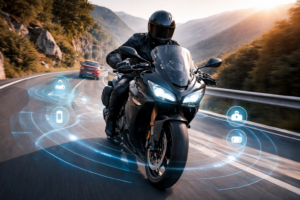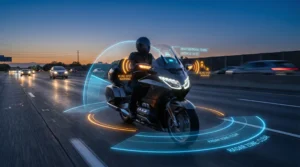
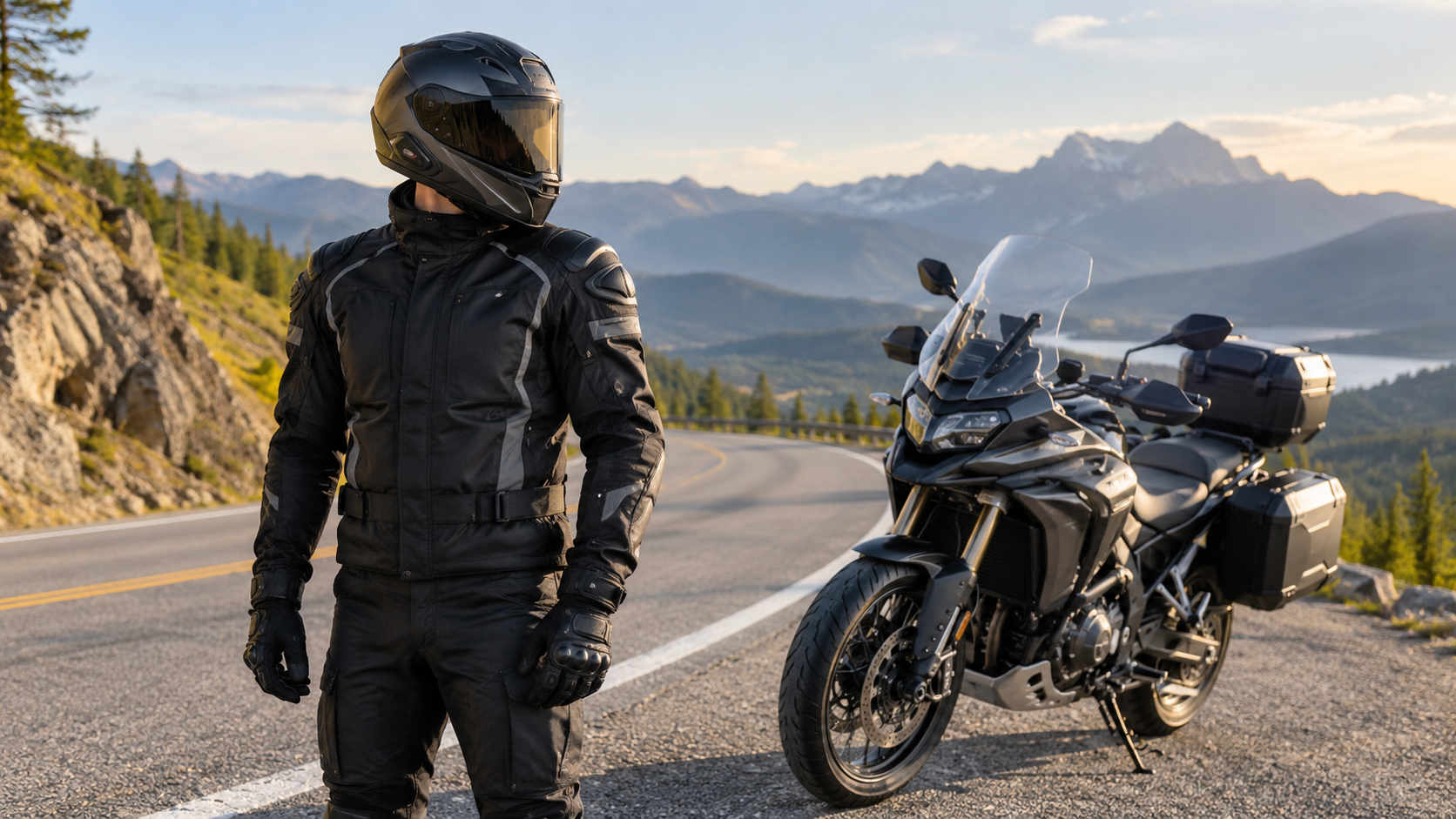
Motorcycle helmets have always been the most important piece of riding gear, but in 2026, they are becoming much more than basic head protection. Smart motorcycle helmets are changing how riders navigate, communicate, record trips, and stay aware of the road. These helmets combine traditional protective design with modern technology such as Bluetooth communication, built-in speakers, voice controls, navigation prompts, crash alerts, rear cameras, and even head-up display features.
For riders who already use motorcycle dash cams, GPS apps, Bluetooth headsets, or advanced rider assistance systems, a smart helmet can feel like the next natural upgrade. Instead of mounting multiple devices across the bike and helmet, many smart helmet systems bring important functions into one connected riding setup. The result is a cleaner cockpit, better convenience, and fewer distractions when used properly.
Still, not every smart helmet is worth buying. Riders should understand what these helmets can do, what features matter most, and what safety certifications to check before spending money. This guide explains why smart motorcycle helmets are trending in 2026, which features to compare, and how to choose one that fits your riding style.
Why Smart Motorcycle Helmets Are Trending In 2026
Riders want gear that is safer, more comfortable, and easier to use. That is why smart helmets are getting more attention in 2026. Modern riders often rely on phones for navigation, music, calls, trip tracking, and emergency communication. The problem is that looking down at a phone or fumbling with devices can be distracting. A smart helmet can help bring some of that information closer to the rider’s line of attention.
According to the National Highway Traffic Safety Administration, motorcyclists remain more exposed than people inside passenger vehicles. That makes helmet choice and rider awareness especially important. A smart helmet does not replace defensive riding, but it can support safer habits when features are used responsibly.
Bike Down To I Town has already covered related safety upgrades, including motorcycle dash cams, advanced rider assistance systems, and motorcycle airbag vests. Smart helmets fit perfectly into that same safety-tech category because they focus on visibility, communication, navigation, and emergency response.
What Makes A Helmet “Smart”?
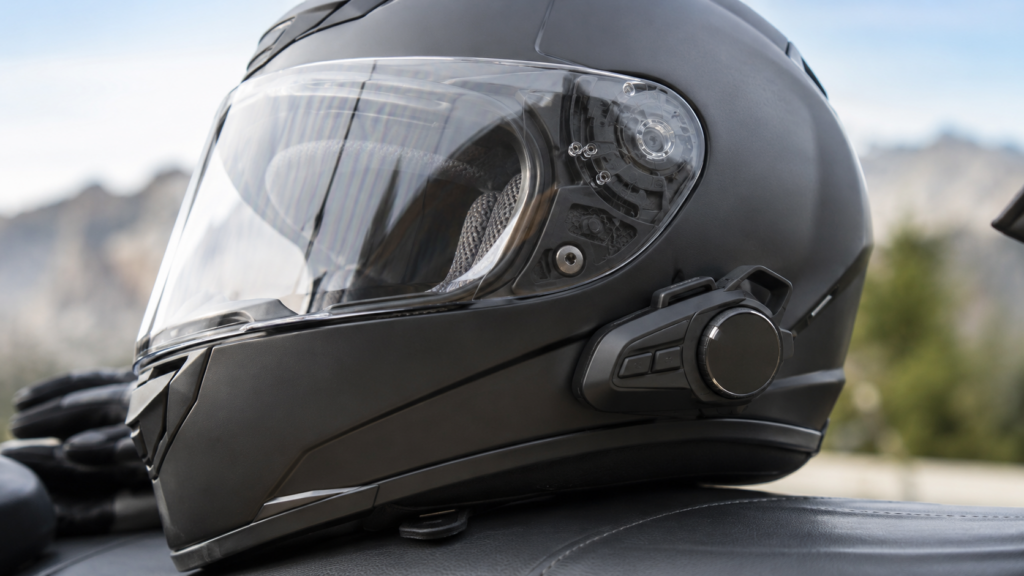
A smart motorcycle helmet includes technology beyond the shell, liner, visor, and ventilation system. Some smart helmets come with built-in electronic features, while others are traditional helmets that support add-on devices. The most common smart helmet features include Bluetooth communication, integrated speakers, microphones, camera systems, voice control, GPS navigation audio, rear-view cameras, LED lighting, emergency alerts, and crash detection sensors.
Some premium helmets or helmet systems also include head-up display technology. A HUD can show key information such as speed, navigation arrows, incoming call alerts, or rear camera views. The goal is to reduce the need to look away from the road. However, riders should remember that too much information can become distracting. A good smart helmet should make riding simpler, not busier.
The smartest setup is often the one that gives you only the information you truly need while riding. For many riders, that means clear turn-by-turn directions, reliable intercom audio, and emergency features. For touring riders, group communication and music may also be important. For commuters, hands-free calls and traffic directions may be the priority.
Key Smart Helmet Features To Look For
Before buying a smart motorcycle helmet, compare features carefully. A long list of technology does not always mean a better helmet. Focus on features that improve safety, comfort, and daily usability.
1. Safety Certification
Start with the basics. A smart helmet must still be a proper motorcycle helmet first. Look for recognized safety certifications such as DOT, ECE 22.06, or Snell, depending on your location and riding needs. Technology should never be more important than impact protection, shell quality, liner design, and proper fit.
The Snell Memorial Foundation and other helmet safety organizations provide information about helmet testing and standards. Riders should always check certification labels and manufacturer details before buying.
2. Bluetooth And Intercom Quality
Bluetooth is one of the most useful smart helmet features. It allows riders to connect with phones, GPS units, music apps, and other riders. For group rides, an intercom system can make communication easier and safer. Riders can warn each other about road debris, fuel stops, turns, traffic, or weather changes.
When comparing Bluetooth helmets, check the range, audio clarity, wind noise performance, battery life, and number of riders supported. A system that sounds good at low speed may not perform well on the highway. Brands such as Sena and Cardo Systems are popular in the motorcycle communication space and are often used with touring, commuting, and adventure riding setups.
3. Navigation Support
Navigation is one of the biggest reasons riders upgrade to smart helmets. Audio directions can help riders avoid looking down at a phone or GPS screen. Some systems also provide visual prompts through a helmet display or small projection system.
This is especially helpful on long-distance rides, unfamiliar routes, or city commutes. If you enjoy scenic travel, smart helmet navigation can pair well with route planning and trip preparation. You can also check Bike Down To I Town’s guide to adventure motorcycle camping for more ideas on planning longer rides.
4. Built-In Cameras And Rear View Features
Some smart helmets include front cameras, rear cameras, or both. A front camera can record rides, capture scenery, and provide useful footage if an incident occurs. A rear camera can help riders monitor traffic behind them, especially when paired with a display.
However, riders should compare video quality, stabilization, battery life, memory storage, and weather resistance. If recording is your main priority, a dedicated motorcycle dash cam may still be a better choice. You can read more about that in Bike Down To I Town’s article on motorcycle dash cams for 2026.
5. Crash Detection And Emergency Alerts
Crash detection is one of the most valuable smart helmet features. Some systems can detect sudden impacts or unusual motion and send an alert to emergency contacts. This can be especially useful for solo riders, rural trips, or early morning and late-night rides.
Emergency features vary by brand and model, so read the details carefully. Some require a phone connection, app subscription, cellular signal, or manual setup. Before relying on any emergency feature, test the app settings and make sure your contacts are updated.
Benefits Of Smart Motorcycle Helmets
A well-chosen smart helmet can improve convenience and confidence on the road. One of the biggest benefits is reduced device clutter. Instead of using separate speakers, microphones, cameras, and phone mounts, riders may be able to combine several functions into one helmet system.
Another benefit is better communication. Group riders can coordinate more easily, touring riders can receive directions, and commuters can handle important calls hands-free when safe and legal. Smart helmets can also make rides more enjoyable by allowing music, podcasts, or audio directions without bulky add-ons.
Safety can also improve when technology is used wisely. A helmet with clear audio directions may reduce the need to glance at a phone. A rear camera may improve awareness. A crash alert system may help notify someone if a rider cannot call for help. These features do not make a rider invincible, but they can support better decision-making.
Possible Drawbacks To Consider
Smart helmets are not perfect. They are usually more expensive than standard helmets, and some models can be heavier because of batteries, speakers, cameras, and internal wiring. Weight matters because a heavy helmet can cause fatigue on long rides.
Battery life is another issue. If a helmet depends heavily on electronics, riders need to charge it regularly. A dead battery may not affect the helmet’s physical protection, but it can disable communication, navigation, cameras, and emergency alerts.
Distraction is also a real concern. Too many notifications, loud music, or complicated controls can take attention away from the road. Riders should keep settings simple and avoid interacting with apps or menus while moving.
Finally, repair and replacement can be more complicated. If electronics fail, the helmet may need manufacturer service. If the helmet is involved in a crash, it should usually be replaced, even if the technology still works. The Motorcycle Safety Foundation remains a useful resource for safe riding education and gear awareness.
How To Choose The Right Smart Helmet
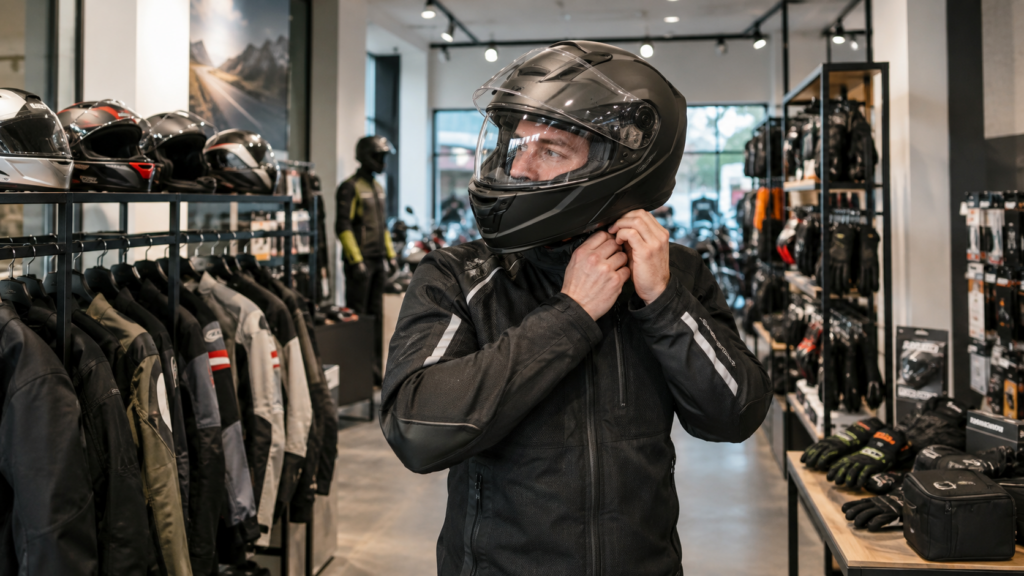
Start with fit. A smart helmet that does not fit correctly is not a good helmet. It should feel snug without painful pressure points. It should not shift around when you move your head. Try the helmet with your usual riding jacket, glasses, earplugs, or balaclava if you use them.
Next, choose features based on your real riding style. A daily commuter may want Bluetooth calls, navigation audio, and crash alerts. A touring rider may want long battery life, high-quality speakers, group intercom, and a comfortable modular design. A content creator may prioritize camera quality. An adventure rider may care about dust resistance, ventilation, and easy glove-friendly controls.
Then compare warranty, replacement parts, app support, firmware updates, and customer reviews. A smart helmet is both safety gear and electronic equipment, so long-term support matters. You do not want a helmet that becomes difficult to use because the app is outdated or the battery cannot be replaced.
Smart Helmet Setup Tips
After buying a smart helmet, take time to set it up before your first serious ride. Pair your phone, test the speakers, adjust the microphone, download any required app, and update the firmware. Save emergency contacts if the helmet offers crash alerts. Practice using the basic controls while parked so you are not learning them in traffic.
Keep volume at a safe level. You still need to hear horns, sirens, nearby vehicles, and road sounds. Use voice control if available, but do not rely on it for every action. Simple controls are better than complicated menus.
Also, keep the helmet clean and dry. Follow the manufacturer’s care instructions for the visor, vents, padding, charging port, and camera lenses. Store the helmet away from extreme heat and moisture. Just like other riding gear, a smart helmet lasts longer when properly maintained.
Are Smart Helmets Worth It In 2026?
For many riders, smart helmets are worth considering. They can improve convenience, communication, navigation, and emergency readiness. They are especially useful for commuters, touring riders, group riders, and anyone who already uses connected motorcycle technology.
However, not every rider needs the most expensive model. If you only ride occasionally, a high-quality traditional helmet with a reliable Bluetooth communicator may be enough. If you ride often or take longer trips, investing in a more advanced smart helmet may make sense.
The most important rule is simple: choose safety first, technology second. A helmet should fit well, meet safety standards, feel comfortable, and support your riding style. Smart features are valuable only when they help you ride with more focus, not more distraction.
Final Thoughts
Smart motorcycle helmets are one of the most exciting rider gear trends in 2026. They combine the essential protection of a helmet with modern tools that can make riding more connected, convenient, and informed. From Bluetooth intercoms and navigation prompts to cameras and crash alerts, these helmets are redefining what riders expect from safety gear.
Still, smart technology should never replace basic riding discipline. Wear complete gear, maintain your motorcycle, ride defensively, and stay aware of your surroundings. When used properly, a smart helmet can become a valuable part of a complete riding setup.
For riders who want better communication, cleaner navigation, and more confidence on the road, 2026 may be the right time to upgrade to a smart motorcycle helmet.