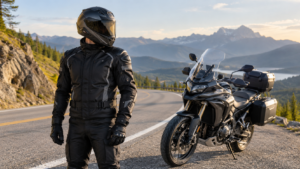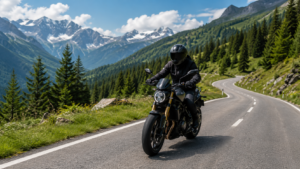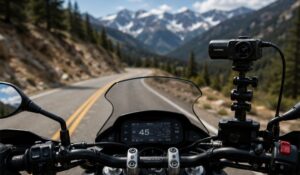
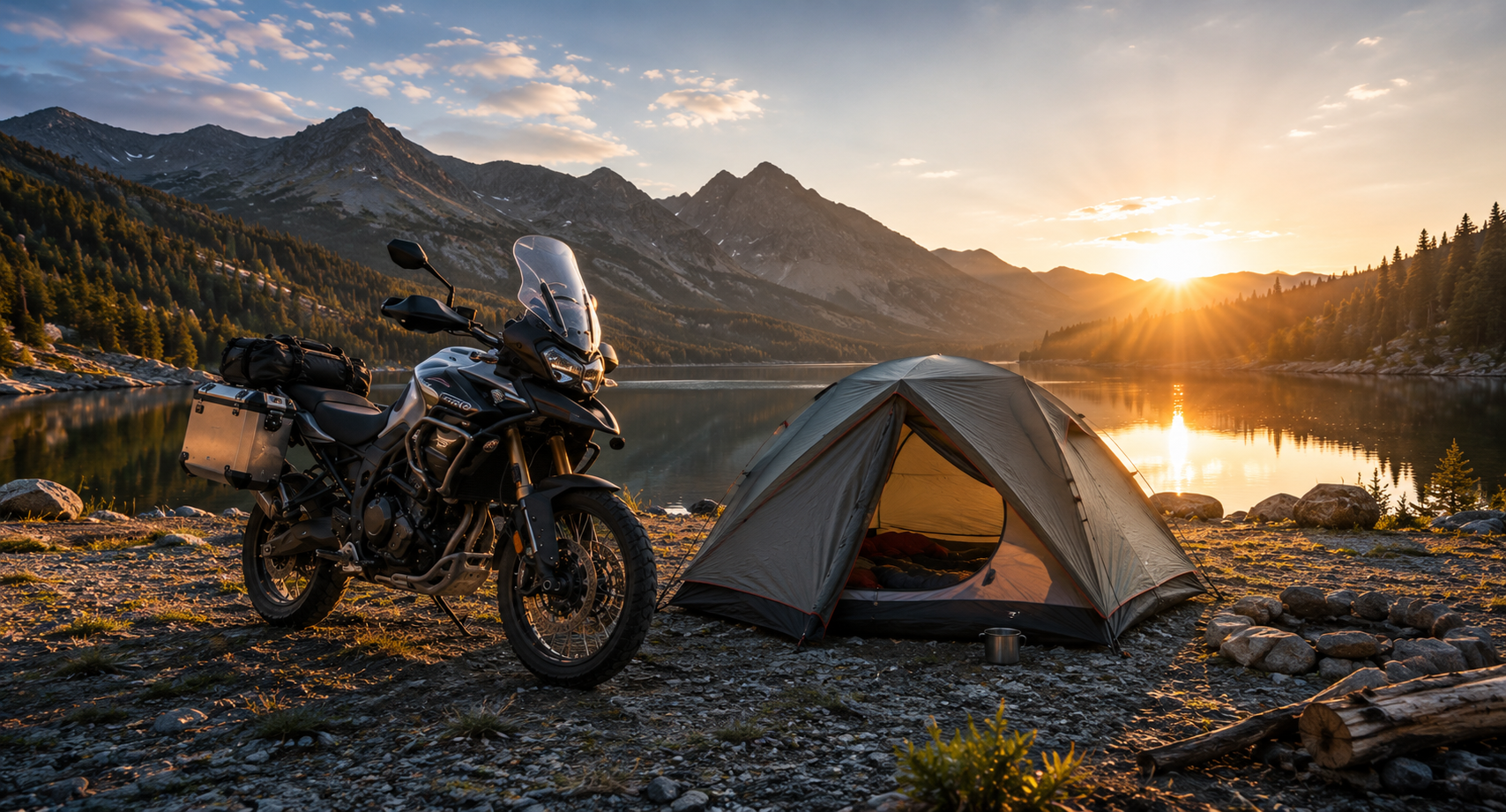
There’s something magical about waking up to a sunrise in the wilderness, a hot cup of coffee in hand, knowing your motorcycle brought you there. Adventure motorcycle camping combines the freedom of two wheels with the raw beauty of the great outdoors. Whether you’re a seasoned ADV rider or planning your first overnight trip, this guide can help you gear up, plan smart, and ride far in 2026.
Why Adventure Motorcycle Camping Is Booming in 2026
More riders than ever are ditching hotels for headlight sunsets and star-filled skies. The rise of remote work, improved lightweight gear, and a growing community of ADV riders have made motorcycle camping more accessible and exciting.
According to the RV Industry Association, outdoor participation continues to rise, with millions of Americans camping each year. Add in an expanding network of backcountry routes and apps that make off-grid navigation easier than ever, and it’s clear why this trend is only getting bigger.
Choosing the Right Motorcycle for Adventure Camping
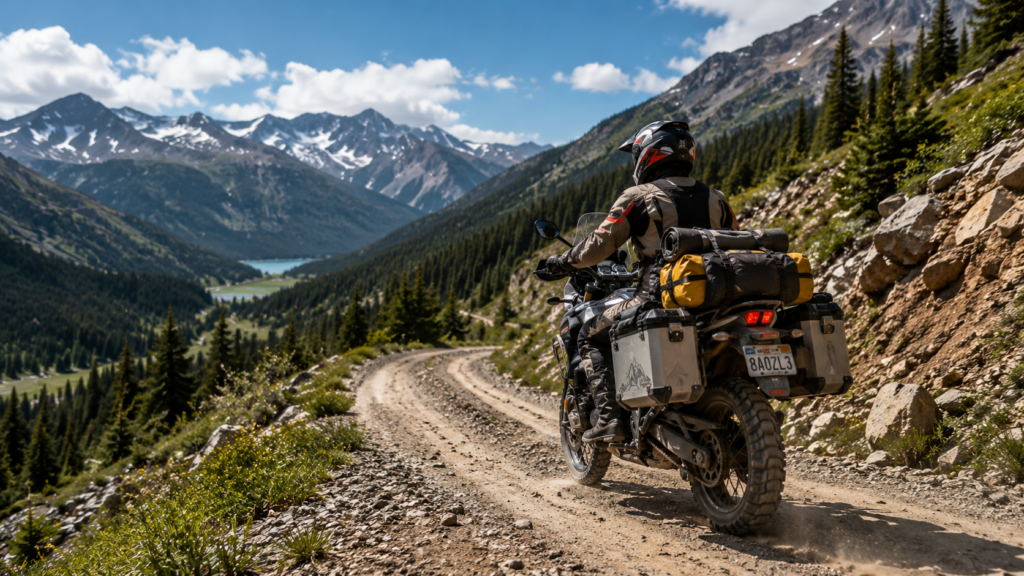
Not all bikes are built for the backcountry. The ideal adventure bike should balance power, comfort, and carrying capacity.
- Dual-Sport Bikes: Lightweight and nimble for dirt roads and trails.
- Adventure Touring Bikes: Built for long distances with luggage capacity.
- Middleweight ADV Bikes: Great all-arounders for mixed terrain.
Essential Gear for Motorcycle Camping
Packing smart is key. You want to be self-sufficient without overloading your bike.
- Shelter: Lightweight tent or bivy.
- Sleep System: Compact sleeping bag and sleeping pad.
- Cooking Gear: Portable stove, fuel canister, and lightweight cookware.
- Luggage: Soft panniers or dry bags for better durability off-road.
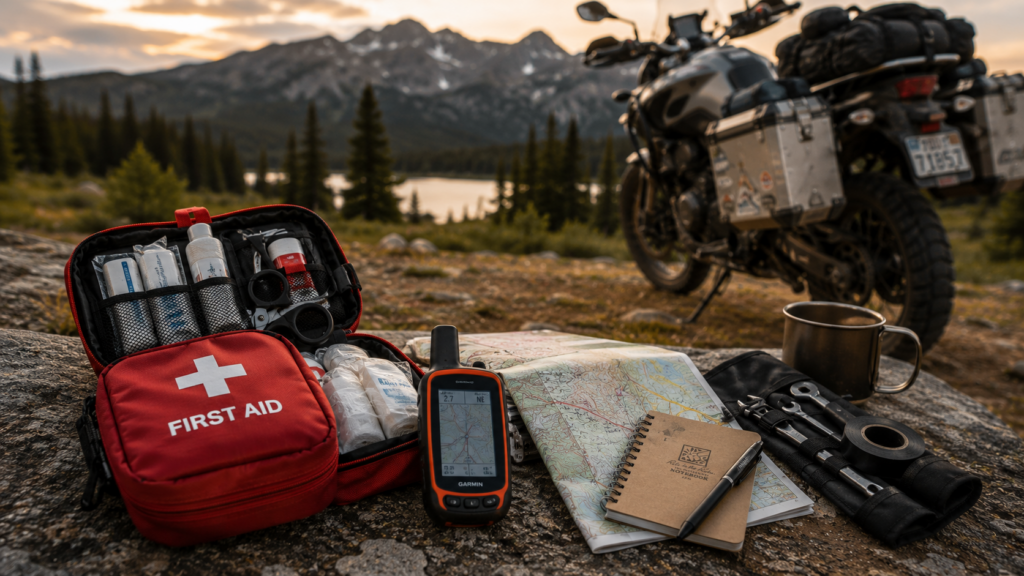
- Tools And Repairs: Tire repair kit, multi-tool, zip ties, duct tape.
- Navigation: GPS device, offline maps app, or paper map backup.
Planning Your Route And Campsites
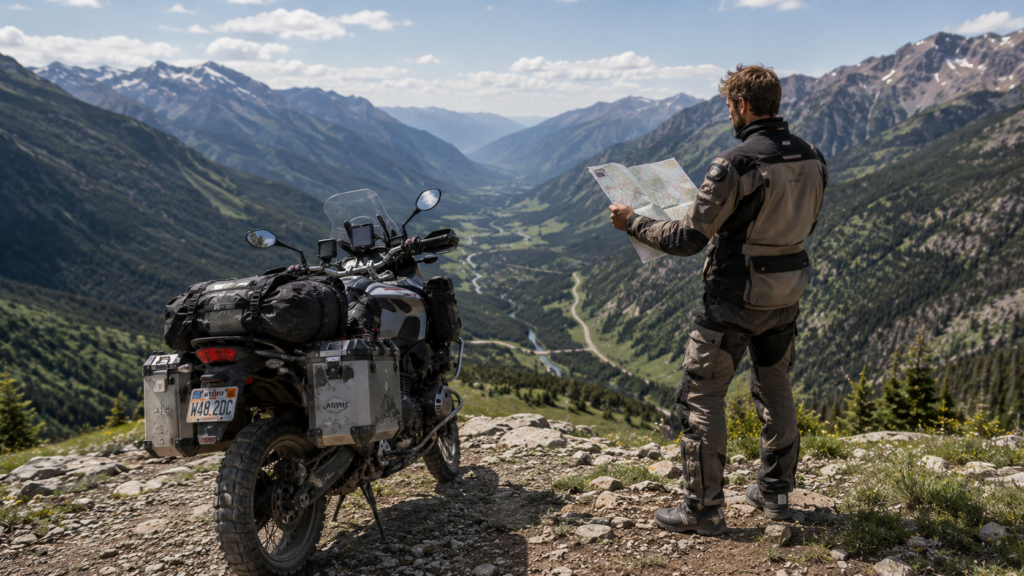
A great trip starts with a solid plan. Research routes, check weather, and know your campsite options before leaving.
- Use Apps And Maps: Tools like REVER, Gaia GPS, and Google Maps can help you find scenic and safe routes.
- Campground Vs. Wild Camping: Dispersed camping is allowed in many national forests, but rules vary by location.
- Leave No Trace: Follow the 7 Leave No Trace Principles to keep trails and campsites open.
- Fuel Stops: Know your range and where the next fuel stop is, especially in remote areas.
Safety Tips For Backcountry Adventures
Remote travel comes with risks. Stay safer with these key tips:
- Tell Someone Your Plan: Share your route and expected return time.
- Carry Emergency Gear: First aid kit, satellite communicator, headlamp, and emergency blanket.
- Check Your Bike: Inspect tires, brakes, chain, and suspension before every trip.
- Stay Hydrated And Fueled: Water and snacks are just as important as gas.
- Ride Within Your Limits: The trip is about the journey, not speed.
Final Thoughts
Adventure motorcycle camping isn’t just a trip. It’s a lifestyle. It connects you with nature, challenges you to simplify, and rewards you with unforgettable memories. With the right bike, gear, and mindset, 2026 can be your best year of two-wheeled exploration yet.
Where can your next campsite be?