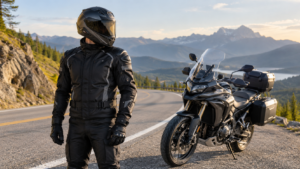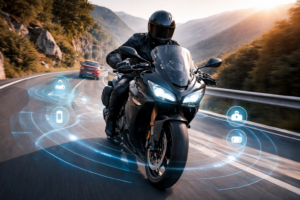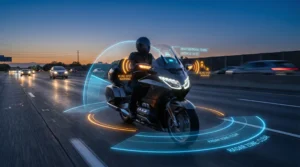
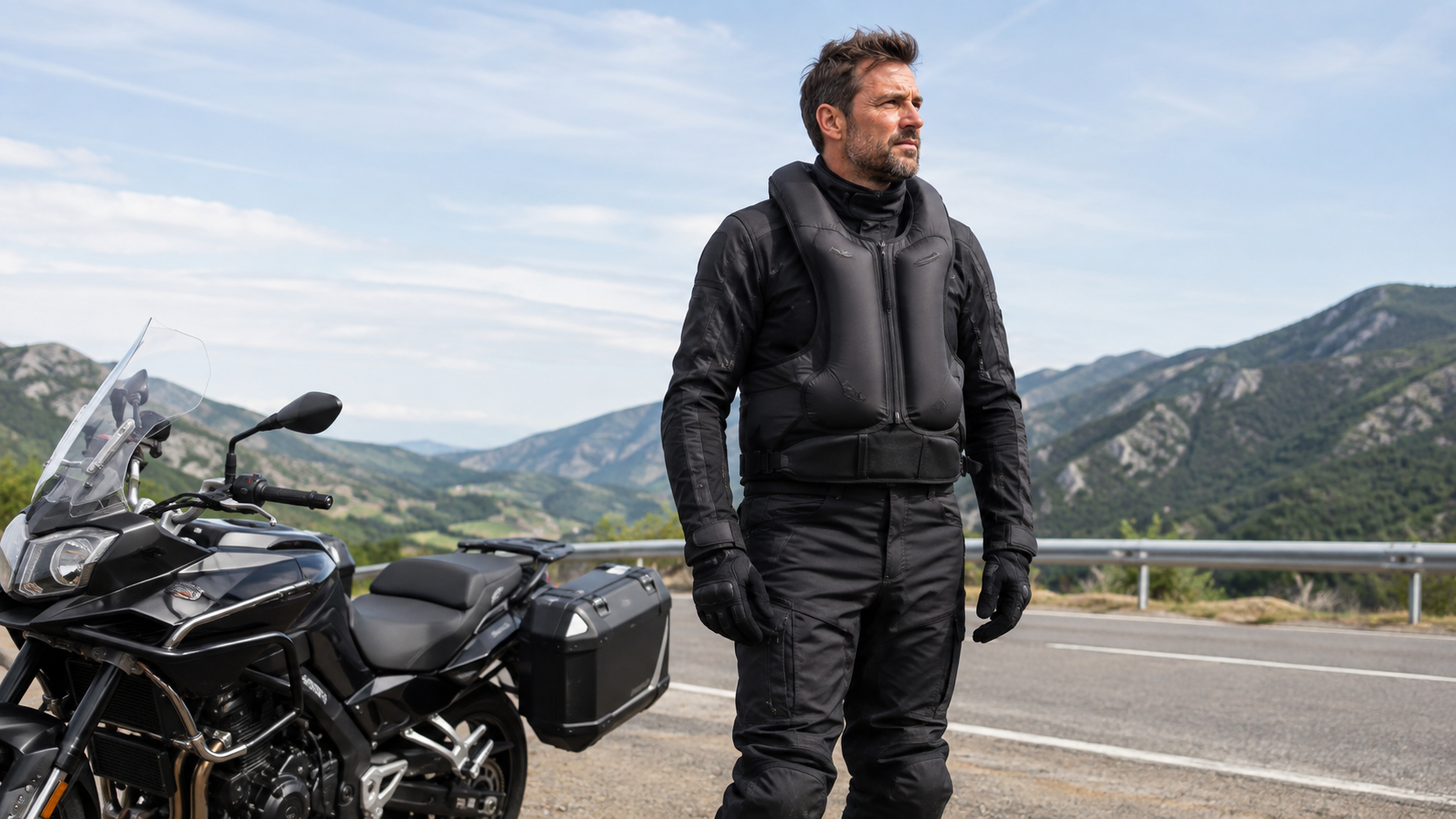
Motorcycle safety gear has come a long way from the basic helmet, leather jacket, gloves, and boots. In 2026, one of the biggest trends in rider protection is wearable safety technology, especially motorcycle airbag vests. These systems are no longer seen only on professional racers or high-end touring riders. More everyday motorcyclists are now considering airbag protection for commuting, weekend cruising, adventure rides, and long-distance travel.
Motorcycling will always involve risk, but modern gear can help riders manage that risk more intelligently. A good helmet protects the head, armored jackets help protect the shoulders and elbows, and riding pants can reduce abrasion injuries. Airbag vests add another layer by helping protect the chest, ribs, back, neck area, and torso when a crash or fall occurs. For riders who already care about smart upgrades like dash cams, advanced rider assistance systems, and high-quality protective gear, airbag vests are becoming a natural next step.
Why Motorcycle Airbag Vests Are Trending
The rise of motorcycle airbag vests is part of a larger shift toward smarter riding. Riders are using more technology than ever, from helmet communication systems and GPS units to motorcycle dash cams and safety sensors. Bike Down To I Town has already covered technology-focused topics such as motorcycle dash cams and advanced rider assistance systems. Wearable protection fits into that same safety-first mindset.
According to the National Highway Traffic Safety Administration, motorcycles leave riders more exposed than passenger vehicles. That is why protective gear matters so much. A car has airbags, a steel frame, seat belts, and crumple zones. A motorcyclist has skill, awareness, and whatever gear they choose to wear. Airbag vests help close part of that protection gap by adding inflatable impact protection directly to the rider’s body.
Another reason these vests are gaining attention is convenience. Older systems were sometimes bulky, expensive, or mainly associated with racing. Today, many options are designed for street riders and touring riders. Some can be worn over a regular motorcycle jacket, while others fit underneath compatible riding gear. As designs improve, riders are starting to see airbag vests less as a luxury item and more as practical protective equipment.
How Motorcycle Airbag Vests Work
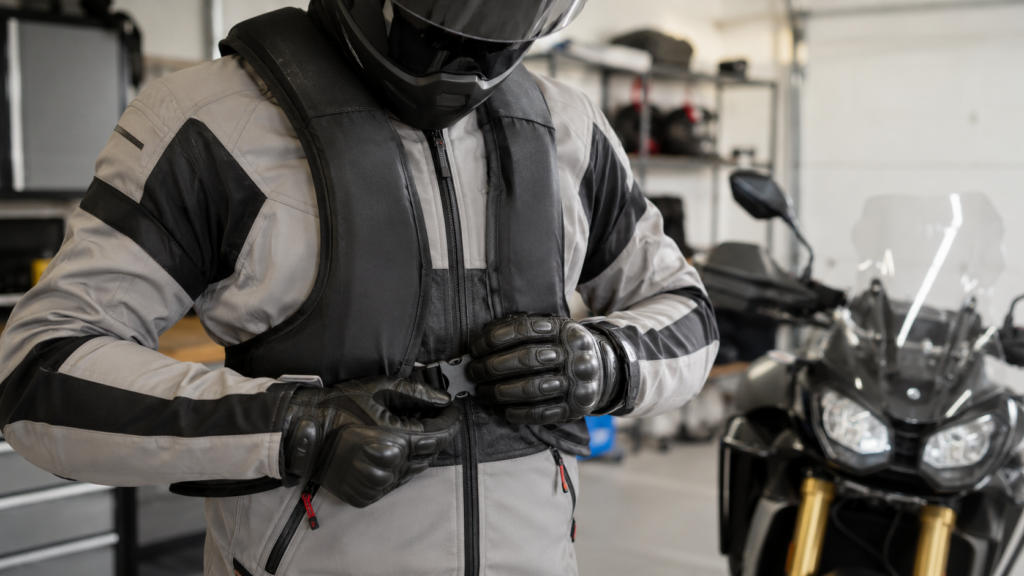
Motorcycle airbag vests are designed to detect a crash or sudden separation from the motorcycle and rapidly inflate protective chambers around the torso. There are two main types: tethered systems and electronic systems.
A tethered airbag vest uses a physical cord attached to the motorcycle. If the rider is thrown from the bike, the cord pulls a trigger that activates a gas cartridge and inflates the vest. These systems are often simple, reliable, and easier to understand. However, riders must remember to connect and disconnect the tether every time they get on or off the motorcycle.
An electronic airbag vest uses sensors, accelerometers, gyroscopes, and algorithms to detect crash-like movement. These systems do not require a cord attached to the bike. Instead, they monitor rider motion and deploy when the system recognizes a likely crash. Electronic systems may feel more convenient, but they can require charging, software updates, subscription plans, or manufacturer-specific servicing.
Both types can be useful. The right choice depends on your riding style, budget, comfort preference, and willingness to manage technology. Riders who prefer simplicity may like a tethered vest. Riders who want a more seamless experience may prefer an electronic system.
What An Airbag Vest Can Protect
Airbag vests are not magic shields, and no gear can guarantee complete safety. However, they can add important protection to areas that are vulnerable in many motorcycle crashes. Depending on the design, a vest may help protect the chest, ribs, back, abdomen, shoulders, collarbone area, and neck support zone.
This makes airbag protection especially interesting for street riders. A crash can happen during a short commute, a quick errand, a group ride, or a long weekend trip. Many riders already invest in helmets, gloves, jackets, pants, and boots. Airbag vests build on that foundation by adding impact absorption where traditional armor may not cover enough area.
The Motorcycle Safety Foundation emphasizes the importance of personal protective gear for riders. An airbag vest should be viewed as part of a full gear system, not a replacement for the basics. Riders should still wear a DOT-compliant helmet, eye protection, abrasion-resistant clothing, gloves, and over-the-ankle boots.
Key Features To Compare Before Buying
Before buying a motorcycle airbag vest, compare more than just price. The best vest for one rider may not be the best choice for another. Start with fit. The vest should sit securely without restricting your movement. You should be able to turn your head, reach the handlebars, lean naturally, and breathe comfortably while wearing it.
Next, check whether the vest is designed to be worn over or under your jacket. Some vests need room to expand during deployment, so wearing them under a tight jacket may prevent proper inflation. Others are specifically designed for under-jacket use, but they may require compatible gear. Always follow the manufacturer’s fitting instructions.
Look at deployment type as well. Tethered vests usually use replaceable CO2 cartridges, while electronic vests may use built-in sensors and rechargeable batteries. If you travel often, think about how easy it will be to recharge the vest, replace cartridges, or get service after deployment.
Certification and testing also matter. When possible, choose products that clearly explain their testing standards and protective zones. Riders can also compare independent gear information through resources such as MotoCAP, which rates motorcycle clothing for protection and comfort.
Airbag Vests For Commuters, Touring Riders, And Adventure Riders
Different riders have different needs. A daily commuter may want a lightweight airbag vest that is easy to put on every morning. A touring rider may prefer a vest with strong back and chest coverage for long highway miles. An adventure rider may need something compatible with hydration packs, luggage, changing weather, and off-pavement movement.
If you enjoy long rides, you may also want to read Bike Down To I Town’s guide on adventure motorcycle camping. Riders who travel far from home should think carefully about safety gear, repair tools, first aid supplies, navigation, and communication devices. An airbag vest can be one part of a broader travel safety plan.
For environmentally minded riders, durable gear can also support a more responsible riding lifestyle. Buying protective equipment that lasts longer may reduce waste compared with frequently replacing cheaper gear. That idea connects well with eco-friendly motorcycle riding, where maintenance, smart purchasing, and thoughtful habits all matter.
Popular Airbag Vest Brands And Technology
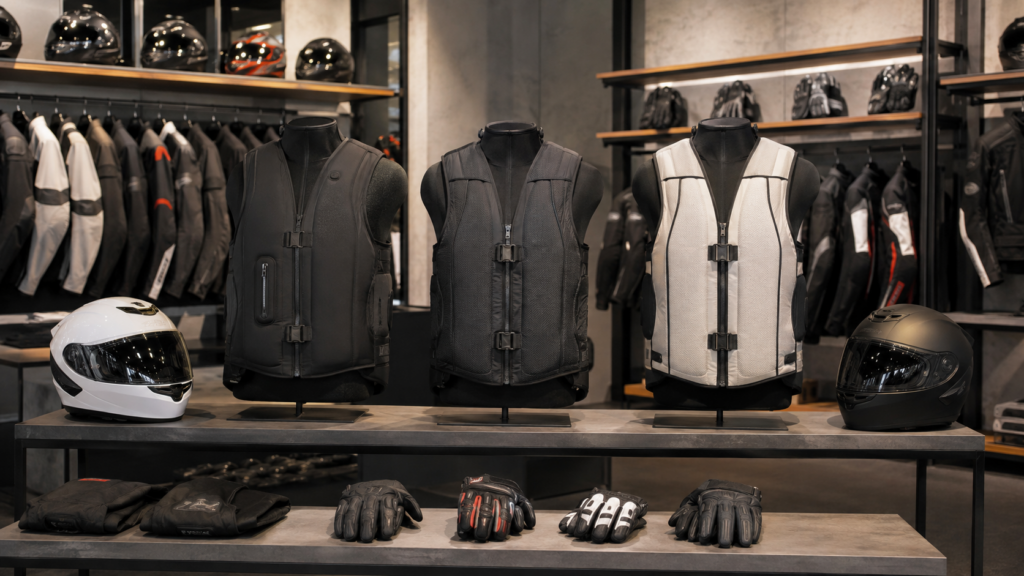
Several brands are helping bring airbag protection into the mainstream. Riders often compare systems from companies such as Alpinestars, Dainese, Helite, Klim, In&motion, and Hit-Air. Each system has a different approach to fit, deployment, coverage, maintenance, and price.
Autoliv and RS Taichi also introduced the T-SABE airbag vest, showing how automotive safety companies and motorcycle gear brands are working together on wearable rider protection. You can read more about that partnership from Autoliv.
For product research, riders can compare options through retailers such as RevZilla, but it is smart to go beyond product descriptions. Read owner reviews, check sizing notes, confirm replacement cartridge costs, and understand what happens after deployment. Some electronic systems may need inspection or reactivation after a crash event.
Common Mistakes Riders Should Avoid
The first mistake is buying an airbag vest without checking compatibility. Not every vest works with every jacket, backpack, riding position, or body type. If the vest cannot inflate properly, it may not perform as intended.
The second mistake is treating the vest as a replacement for other gear. You still need a quality helmet, armored jacket, riding pants, gloves, and boots. Bike Down To I Town’s article on essential motorcycle gear every rider should own is a useful starting point if you are building a complete setup.
The third mistake is ignoring maintenance. Tethered vests may need cartridge checks. Electronic vests need charging and may require updates. All systems should be inspected for damage, especially after a fall or deployment. Riders should also store the vest properly and avoid leaving it exposed to extreme heat, moisture, or rough handling.
Is A Motorcycle Airbag Vest Worth It?
For many riders, the answer is yes, especially if they ride often, commute in traffic, tour long distances, or want better torso protection. Airbag vests can be expensive, but they may be one of the most meaningful safety upgrades a rider can make after buying a good helmet and complete protective gear.
That said, the best gear is the gear you will actually wear. If a vest is uncomfortable, too hot, too complicated, or too bulky, you may leave it at home. Try to choose a system that matches your real riding routine. A commuter needs convenience. A touring rider needs comfort over long hours. A sport rider may care about fit under a leather suit. An adventure rider needs flexibility and durability.
Riders should also continue practicing defensive riding. Airbag gear helps when things go wrong, but skill helps prevent many problems before they happen. Training courses, safe speed choices, good lane positioning, and clear visibility are still essential.
Final Thoughts
Motorcycle airbag vests are one of the most exciting safety gear trends in 2026. They combine wearable technology with practical rider protection, offering an added layer of confidence for commuters, touring riders, weekend cruisers, and adventure motorcyclists.
No vest can remove every risk from riding, but the right airbag system can strengthen your overall safety setup. Start with the basics: helmet, jacket, pants, gloves, and boots. Then consider whether an airbag vest fits your riding style, budget, and comfort needs.
As motorcycles become smarter and riders become more safety-conscious, wearable protection will likely keep improving. For riders who want to enjoy the open road with better preparation, motorcycle airbag vests are worth serious attention.