The landscape of motorcycling is undergoing a profound transformation as we move further into the decade. While the thrill of the open road remains unchanged, the tools we use to navigate it safely are evolving at an unprecedented pace. Motorcycle safety technology in 2026 is no longer just about passive protection like helmets and jackets. Instead, it has shifted towards proactive, intelligent systems designed to prevent accidents before they happen. This shift is largely driven by the integration of Advanced Rider Assistance Systems, commonly known as ARAS, which are becoming standard features on many new models.
For years, riders have relied on their instincts, experience, and high-quality gear to stay safe. However, the introduction of ARAS brings a new layer of security that complements these traditional methods. These systems utilize a network of sensors, cameras, and radar to monitor the motorcycle’s surroundings in real-time. By doing so, they can alert the rider to potential hazards or even intervene automatically to avoid a collision. As we explore the latest advancements in motorcycle safety technology for 2026, it becomes clear that these innovations are not just for premium touring bikes anymore — they are rapidly making their way into everyday commuter and mid-weight motorcycles.
The Rise of Advanced Rider Assistance Systems
Advanced Rider Assistance Systems represent a significant leap forward in motorcycle safety. Initially developed for the automotive industry, these technologies have been carefully adapted to meet the unique dynamics of riding a motorcycle. Unlike cars, motorcycles lean into corners and have a much smaller footprint on the road, requiring highly specialized algorithms to function correctly. Today, ARAS encompasses a variety of features designed to enhance rider awareness and control.
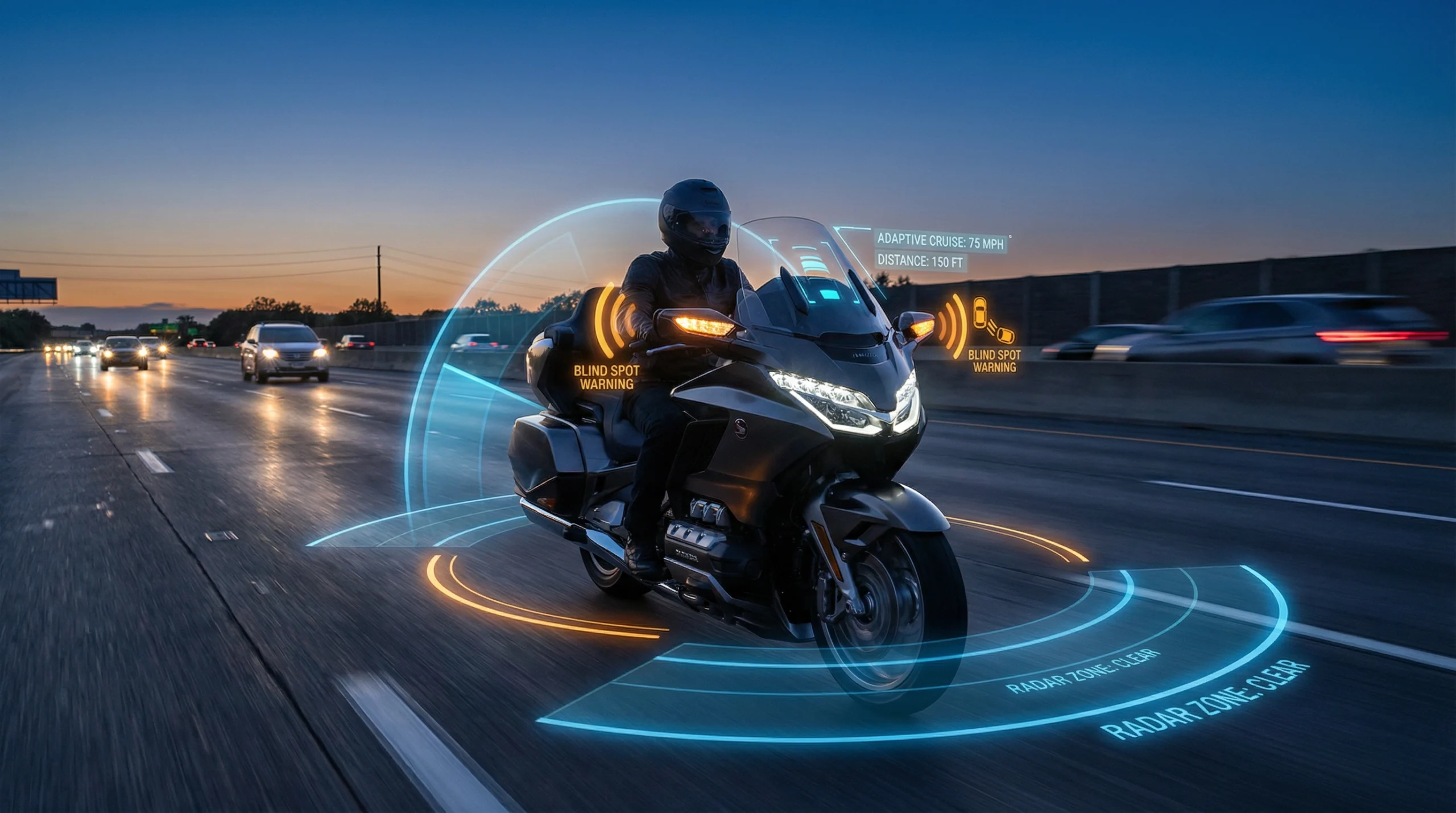
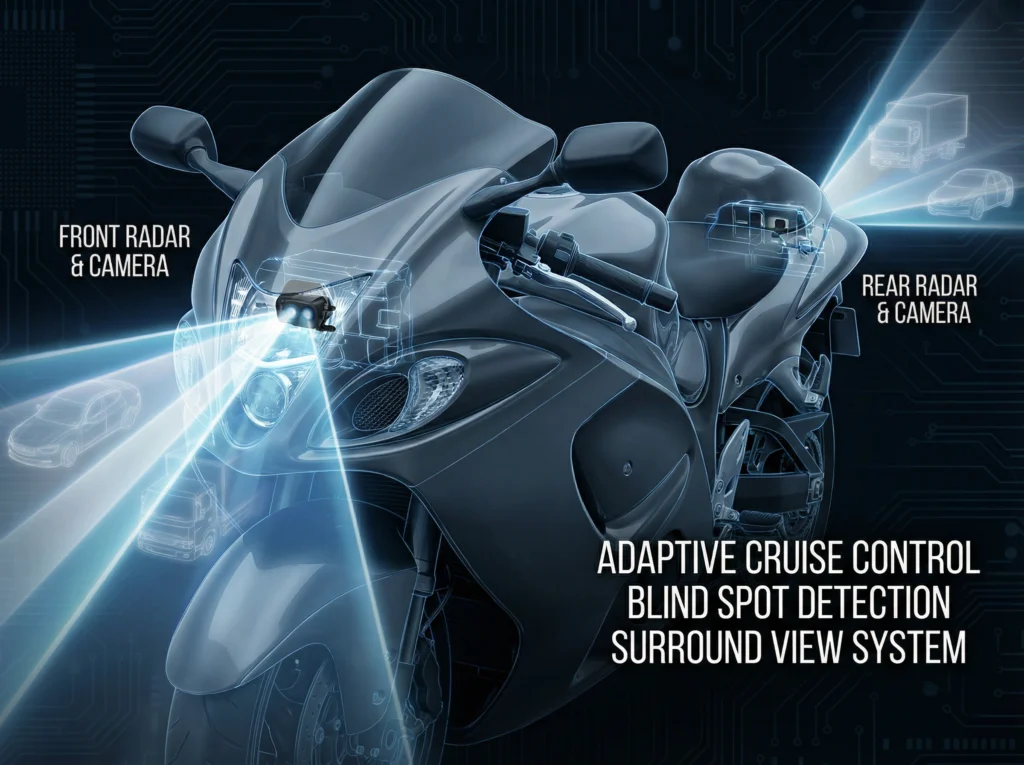
One of the most prominent features of ARAS is Adaptive Cruise Control. This system uses forward-facing radar to maintain a safe following distance from the vehicle ahead. If traffic slows down, the motorcycle automatically reduces its speed, and when the road clears, it accelerates back to the set cruising speed. This technology is particularly beneficial for long-distance riders, reducing fatigue and allowing them to focus more on the road ahead. Furthermore, Adaptive Cruise Control is often paired with Forward Collision Warning, which alerts the rider visually or audibly if they are approaching an obstacle too quickly.
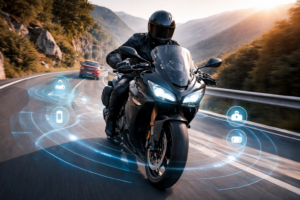
Another critical component of modern ARAS is Blind Spot Detection. Motorcycles are inherently vulnerable to being overlooked by other drivers, but riders also have their own blind spots. Rear-facing radar sensors monitor the areas behind and to the sides of the motorcycle. When a vehicle enters these blind spots, a warning light typically illuminates on the corresponding rearview mirror. This simple yet effective feature provides riders with crucial information before they initiate a lane change, significantly reducing the risk of side-swipe accidents. According to the National Highway Traffic Safety Administration, motorcyclists are approximately 24 times more likely to die in a crash than passenger car occupants, making these preventive systems critically important.
Enhancing Stability and Control
Beyond radar-based systems, motorcycle safety technology in 2026 also focuses heavily on enhancing the bike’s stability and control under challenging conditions. Cornering Anti-lock Braking Systems (ABS) and Traction Control have become increasingly sophisticated. These systems rely on an Inertial Measurement Unit (IMU), which constantly measures the motorcycle’s pitch, roll, and yaw. By understanding the bike’s exact lean angle, the IMU can modulate braking pressure and engine power to prevent wheel slip, even when braking hard in a corner.
The integration of the IMU has also paved the way for advanced Wheelie Control and Slide Control systems. While these features are often associated with high-performance sportbikes, they are increasingly found on adventure and touring models. By preventing the front wheel from lifting excessively during hard acceleration or the rear wheel from sliding out during aggressive cornering, these systems help maintain optimal traction and stability. Consequently, riders can confidently navigate diverse terrains and weather conditions, knowing that the motorcycle’s electronics are actively working to keep them upright.
Moreover, electronic suspension systems are becoming more prevalent, offering real-time adjustments to damping and preload based on the riding conditions. These semi-active suspension setups continuously analyze data from the IMU and wheel speed sensors to optimize the ride quality. Whether you are navigating a bumpy city street or carving through a smooth mountain pass, the suspension adapts instantly to provide maximum grip and comfort. This level of adaptability not only enhances the riding experience but also plays a vital role in overall safety by ensuring the tires maintain consistent contact with the road surface. The Motorcycle Industry Council has noted that the adoption of these electronic safety features is growing rapidly across all motorcycle segments.
Connectivity and Smart Helmets
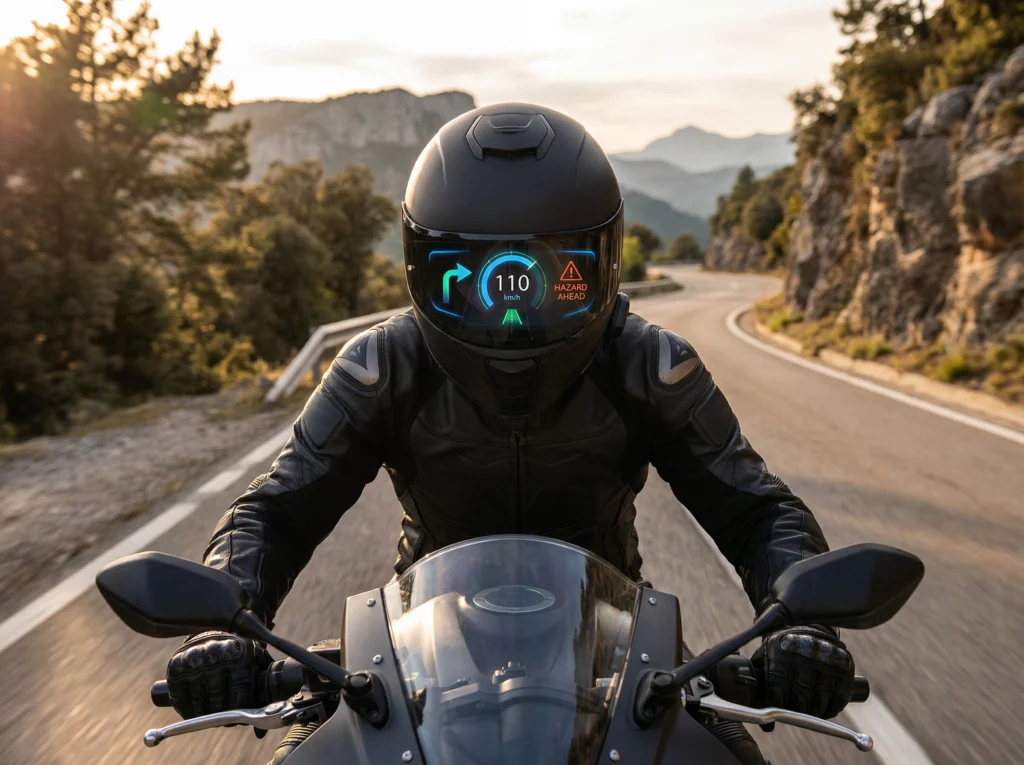
The evolution of motorcycle safety technology in 2026 extends beyond the bike itself and into the gear we wear. Smart helmets are emerging as a crucial component of the modern rider’s safety arsenal. These helmets integrate seamlessly with the motorcycle’s onboard systems and the rider’s smartphone, creating a comprehensive communication hub. Features such as built-in Head-Up Displays (HUD) project essential information — like speed, navigation instructions, and ARAS alerts — directly into the rider’s line of sight. This allows riders to stay informed without ever taking their eyes off the road.
In addition to HUDs, smart helmets often feature integrated communication systems, enabling clear voice calls and intercom connectivity with other riders. This is particularly useful for group rides, allowing for seamless coordination and hazard warnings. Furthermore, some advanced helmets are equipped with rear-facing cameras that provide a live feed to the HUD, effectively eliminating blind spots entirely. As these technologies become more accessible, they are set to revolutionize how riders interact with their environment and their machines. Brands like Sena have been at the forefront of developing Bluetooth communication and smart helmet technology for motorcyclists.
Connectivity also plays a significant role in post-accident scenarios. Many modern motorcycles and smart helmets are equipped with automatic emergency call (eCall) systems. In the event of a severe crash, these systems can automatically contact emergency services, providing them with the exact GPS location of the incident. This rapid response capability can be life-saving, especially when riding in remote areas where immediate assistance might otherwise be delayed. By bridging the gap between the motorcycle, the rider, and emergency responders, connectivity is proving to be a vital aspect of modern motorcycle safety.
Integrating Traditional Gear with Modern Tech
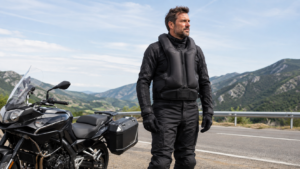
While the advancements in electronic safety systems are impressive, they do not replace the need for high-quality traditional riding gear. In fact, the most effective approach to motorcycle safety involves a combination of both. As we discussed in our previous article, Gear Up Essential Motorcycle Gear Every Rider Should Own, investing in a proper helmet, jacket, gloves, and boots remains your first line of defense in the event of a physical impact. The latest technology is designed to prevent accidents, but high-quality gear is essential for minimizing injury if an accident does occur.
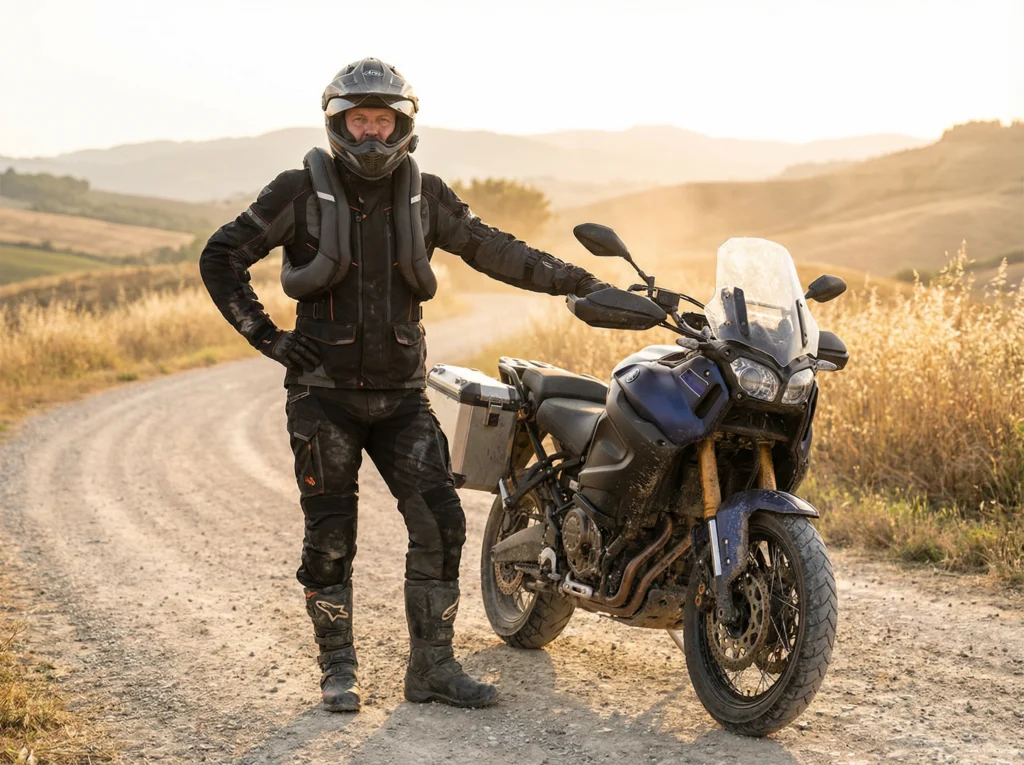
For instance, modern riding jackets and suits are increasingly incorporating wearable airbag technology. These airbag systems use their own set of sensors and algorithms to detect a crash and deploy in milliseconds, providing unparalleled protection for the rider’s neck, shoulders, and torso. When combined with the motorcycle’s ARAS, the rider benefits from a comprehensive safety net that addresses both accident prevention and impact mitigation. This synergy between traditional protective gear and cutting-edge technology represents the pinnacle of motorcycle safety in 2026.
It is also important to remember that technology is only as effective as the rider using it. Continuous education and training remain fundamental to safe riding. Organizations like the Motorcycle Safety Foundation offer invaluable courses that teach essential riding skills and defensive strategies. Additionally, staying informed about the latest safety standards, such as those set by the Snell Memorial Foundation, ensures that your gear meets the highest levels of protection. By combining advanced technology, high-quality gear, and proper training, riders can enjoy the freedom of the open road with greater confidence and peace of mind.
The Future of Riding Safety
Looking ahead, the trajectory of motorcycle safety technology is clear. We can expect to see even deeper integration of artificial intelligence and machine learning algorithms, allowing ARAS to anticipate hazards with even greater accuracy. Vehicle-to-Everything (V2X) communication is another promising frontier, enabling motorcycles to communicate directly with other vehicles and traffic infrastructure. This technology could warn riders of approaching cars at blind intersections or alert them to changing traffic signals, further reducing the likelihood of collisions.
As these technologies continue to mature, they will undoubtedly become more affordable and widespread across all motorcycle segments. The goal is not to diminish the raw, visceral experience of riding, but rather to enhance it by removing unnecessary risks. By embracing these advancements, the motorcycling community can look forward to a future where the joy of riding is matched only by the safety and security provided by modern engineering.
For more insights into the evolving world of motorcycles, check out the latest industry trends from RevZilla Common Tread and explore comprehensive safety guides from the National Highway Traffic Safety Administration. Staying informed and equipped is the best way to ensure that every ride is a safe and memorable adventure. Whether you ride in the Midwest or across the country, the future of motorcycle safety technology is here — and it is riding right alongside you.